
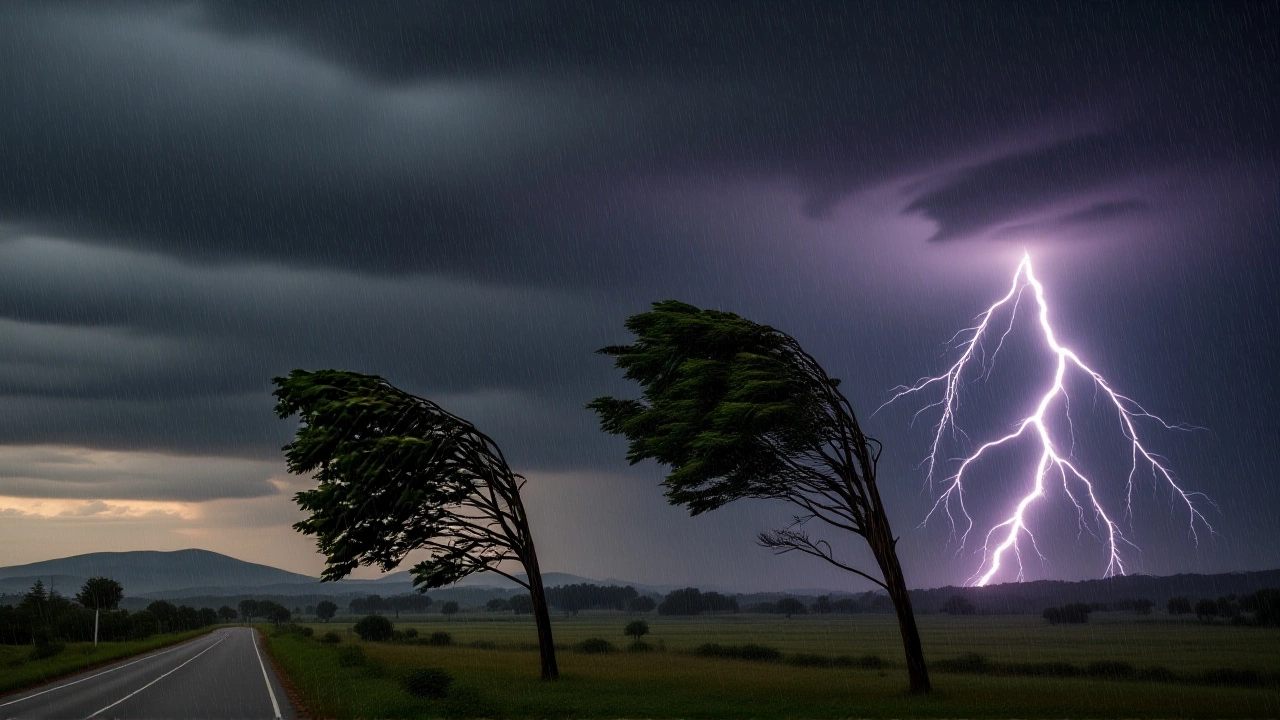
When two young men were struck by lightning in northern Bihar, it wasn't just a tragic accident—it was a stark warning. The deadly strikes occurred in Araria district amidst heavy rains and violent winds, prompting authorities to issue urgent safety alerts across the state.
The incident highlights a broader crisis unfolding across eastern India. While the immediate focus is on the fatalities in Araria, the storm system has swept through multiple regions, leaving a trail of destruction and fear. Residents are left grappling with the sudden volatility of the weather, which shifted from oppressive heat to life-threatening storms in a matter of hours.
A Statewide Weather Crisis
The India Meteorological Department (IMD) has issued a yellow alert for 15 districts in Bihar, signaling high risks of thunderstorms, heavy rainfall, and lightning. This isn't an isolated event. Reports indicate that similar severe weather conditions have affected areas including Purnia, Katihar, and parts of the Seemanchal region.
Here's the thing: these storms aren't just inconvenient. They're lethal. In addition to the two deaths in Araria, other reports suggest casualties elsewhere. In Saran district, a farmer died after being struck by lightning, while a woman suffered severe burns. Earlier, on Thursday morning, two young girls lost their lives in Sakraicha village under the Fulwari Sharif police station area due to a similar strike.
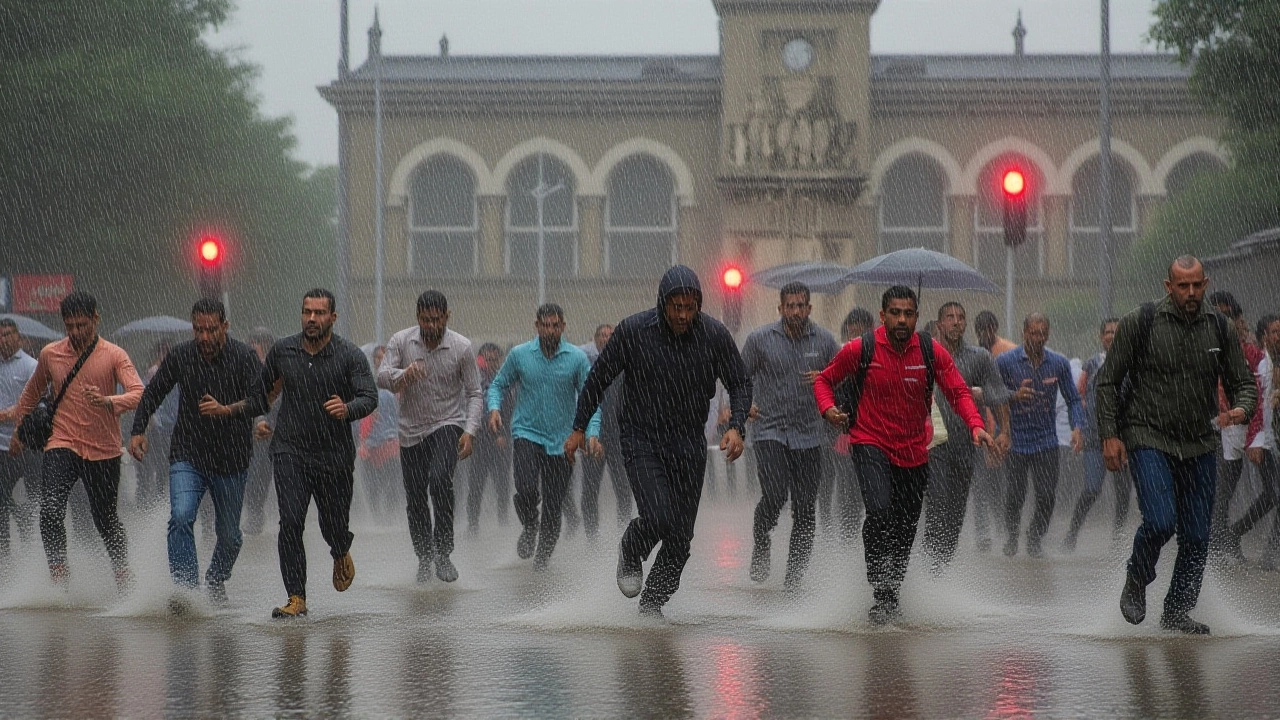
The timeline is particularly alarming. On Thursday, the initial strikes claimed the lives of the two children. By Friday, the situation escalated dramatically. Strong winds uprooted trees, damaging shops and homes. In Maner, near Patna, a massive tree fell onto a shop, causing significant property damage. The shop owner has since appealed to local administration for compensation, highlighting the economic toll alongside the human cost.
Official Warnings and Safety Measures
Authorities have been quick to respond, but the speed of the weather changes has outpaced some preparedness efforts. The IMD warned of strong gusty winds and lightning activity over the next 24 hours. Local administrations have urged citizens to avoid open fields and not stand under tall trees during storms—a standard advisory, yet one that saves lives when heeded.
"The weather department has advised people to stay indoors and avoid unnecessary travel," stated a local official, emphasizing the unpredictability of the current monsoon patterns. Despite these warnings, many rural residents continue outdoor activities, often unaware of the immediate danger posed by electrical discharges in humid, stormy conditions.
Interestingly, social media platforms like X (formerly Twitter) and Facebook have become rapid channels for disseminating this information. Handles such as @ETVBharatBR shared real-time updates, reaching thousands within hours. However, misinformation also spreads quickly. Some posts exaggerated casualty numbers, claiming up to 17 deaths, while others focused solely on crop damage without verifying sources. It’s crucial to rely on verified reports from reputable news outlets and government agencies.
Broader Impact and Expert Analysis
This wave of severe weather underscores a growing trend in South Asia: increasingly erratic monsoon behavior linked to climate change. Experts note that rising temperatures contribute to higher atmospheric instability, leading to more frequent and intense thunderstorms. For a state like Bihar, where agriculture forms the backbone of the economy, such disruptions are devastating.
Crop losses are already being reported. Farmers in Gopalganj witnessed fires ignited by lightning strikes in lush green fields. These incidents not only destroy livelihoods but also exacerbate food security concerns in the region. The cumulative effect of repeated extreme weather events threatens long-term sustainability for millions dependent on seasonal farming.
Moreover, infrastructure strain is evident. Power outages, blocked roads, and damaged buildings require immediate attention. Emergency services are stretched thin responding to multiple simultaneous incidents. Coordination between meteorological departments, disaster management teams, and local governments is critical to mitigating future risks.
What Comes Next?
Residents in the affected districts should remain vigilant. The yellow alert remains active, meaning conditions could worsen before improving. Authorities plan to assess damages and distribute relief funds to victims' families. Long-term strategies may include better early-warning systems and community education programs about storm safety.
As we look ahead, monitoring the IMD’s forecasts will be essential. If trends continue, policymakers must consider investing in resilient infrastructure and adaptive agricultural practices. The tragedy in Araria serves as a sobering reminder: nature’s power demands respect, preparation, and proactive action.
Frequently Asked Questions
Who died in the recent Bihar lightning strikes?
Two young men died in Araria district due to lightning strikes during heavy rain. Additionally, a farmer died in Saran district, and two young girls were killed earlier in Sakraicha village. Total confirmed deaths vary by report, with some citing up to eight fatalities statewide.
Which districts are under yellow alert in Bihar?
Fifteen districts in Bihar, including Araria, Purnia, Katihar, Madhubani, Darbhanga, Supaul, and Sheohar, are under a yellow alert for heavy rain, strong winds, and lightning. The alert covers both North Bihar and the Seemanchal region.
What caused the severe weather in Bihar?
The severe weather resulted from unstable atmospheric conditions associated with the monsoon season. Rising temperatures and humidity created perfect conditions for thunderstorms, leading to lightning strikes and strong gusty winds across the state.
How can people protect themselves from lightning?
Avoid open fields, tall trees, and metal objects during storms. Stay indoors in sturdy buildings or vehicles with closed windows. Do not use corded phones or electronic devices plugged into walls. Seek shelter immediately if you hear thunder or see dark clouds gathering.
Is there any compensation for victims' families?
Yes, local authorities have announced relief measures for affected families. Shop owners who suffered property damage, like those in Maner, can apply for compensation through district administration offices. Specific amounts and procedures vary by case and location.